Pack for the Rain: The Case for Traveling Southeast Asia in the Wet Season
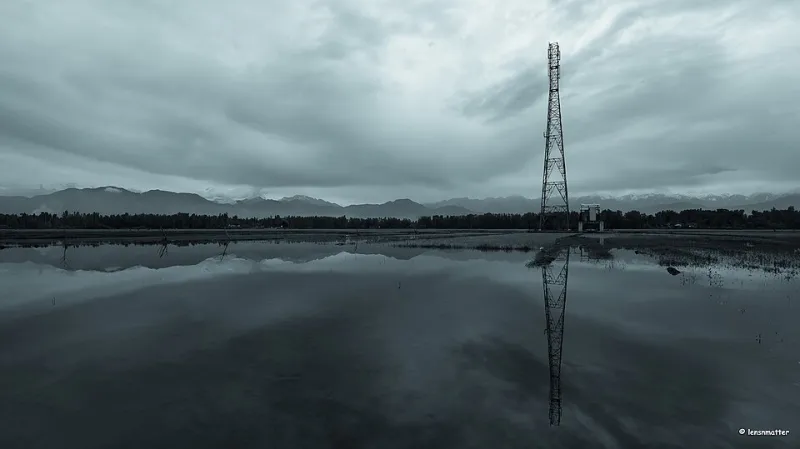
Photo: lensnmatter, CC BY 2.0, via Wikimedia Commons
Americans are trained to treat rain as a scheduling error. A beach day gets rained out, a hike gets muddy, and we quietly file the whole trip under bad luck. In Southeast Asia, that instinct can cost you one of the best seasons of the year.
I am not arguing that you should ignore weather warnings or book a boat trip during a typhoon. I am arguing that the wet season is not a failure state. It is a different way to see how land and water organize daily life. If you only travel in the dry season, you see the region holding its breath. In the wet season, you see it exhale.
The dry-season default
Most US travelers build their Southeast Asia trips around a simple equation: dry weather equals good weather. That makes sense when your vacation time is limited and your mental image involves blue water and empty beaches. But the dry season is also when everyone else has the same idea. Temple towns get crowded, prices climb, and the landscape can look dusty and tired after months without rain.
The wet season, which varies by country and coast, is not a single thing. In Thailand, Laos, Cambodia, and much of Vietnam, the southwest monsoon generally runs from May through October. In Bali and much of Indonesia, the wet season often arrives later, roughly November through March. The Philippines has its own typhoon patterns, and some coasts are wetter than others. The point is not to romanticize bad weather. The point is to stop assuming that rain ruins the trip.
What the rain actually gives you
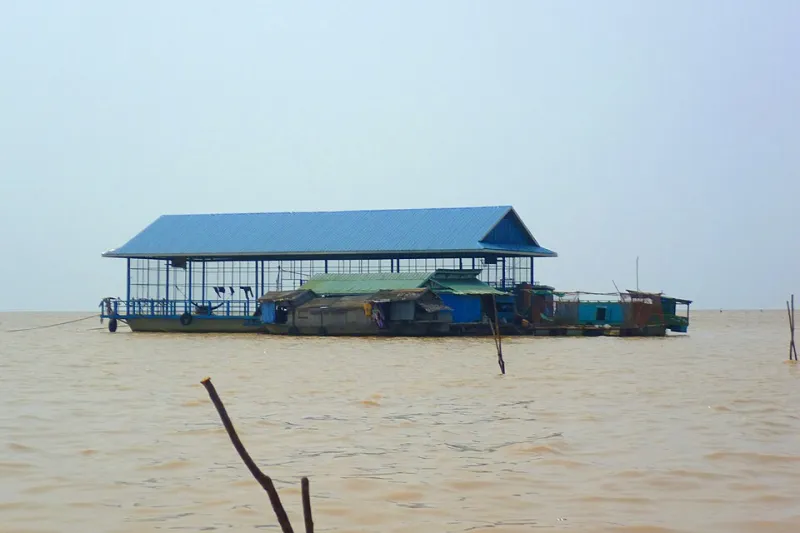
Start with the obvious: green. Rice paddies turn into mirrors. Roadsides look less like postcards and more like gardens. In Bali, the fields are being planted and the whole island seems to be breathing through its soil. In Laos, the Mekong rises and the riverbank gardens shift. In Cambodia, the Tonle Sap expands and the flooded forest fills with fish and birds.
Then there is the human rhythm. In Bangkok, a sudden downpour sends office workers laughing under awnings while the market keeps selling. In Luang Prabang, rain keeps the tour buses away and the temple courtyards smell of wet stone. In Hoi An, the flood season is serious and should be planned around, not photographed as a cute inconvenience. But in smaller towns, a rainy afternoon can mean a cooking class, a long lunch, or a conversation with a shopkeeper who is not rushing to the next customer.
Wet-season markets are often better, too. The produce is abundant, the prices can be lower, and the stallholders are less worn down by the high-season crush. You get the sense of a place that is living its normal life, not performing it for visitors.
The honest planning part
This is where the opinion gets practical. Do not book a rigid itinerary that falls apart if a ferry is cancelled or a trail turns to mud. Build in a buffer day. Choose quick-dry clothing and shoes that can handle water. Bring a dry bag for your phone and passport. Buy travel insurance that actually covers weather disruptions. Check local forecasts, not just the one on your phone’s home screen.
If you are heading to a beach, put it at the end of the trip so a washout does not ruin the whole arc. If you are heading to temples, plan indoor or covered options for the afternoon storms. If you are trekking, ask your guide about trail conditions and be willing to change the route. None of this is exotic. It is just planning for the season you are actually traveling in.
A different kind of souvenir
The best reason to travel in the wet season is not the discount or the Instagram light. It is the understanding you bring home. You learn that water is not background noise in Southeast Asia. It is transport, irrigation, food, risk, and ritual. You learn that a rainstorm can be a communal pause rather than a personal inconvenience. You learn that the land is not a static picture.
So pack the rain jacket. Leave room in the schedule. And stop treating the forecast like a verdict. In Southeast Asia, the wet season is not the wrong time to go. It is simply a different story, and often a more honest one.